Simple Carrot Embroidery: A Designer Review
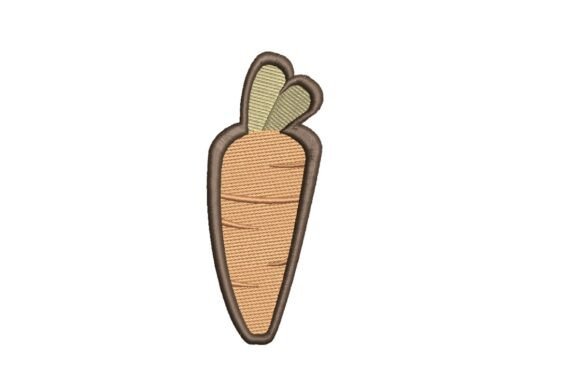
As a professional embroidery designer who has spent years refining brand identity for small businesses, I approach every new digital file with a critical eye. When evaluating a design like Simple Carrot Embroidery, the goal is not just to see if it looks cute, but to determine if it holds up under the rigors of commercial production. This specific machine embroidery design features a single orange carrot with green leafy tops and brown outlines. While the filename confusingly mentions "Easter Cookie," the visual asset clearly depicts a carrot, often associated with Easter bunnies. For a business owner or apparel decorator, this distinction matters because clarity in your design assets is the first step toward professional branding.
First Impressions: Visual Personality and Brand Fit
The initial impression of Simple Carrot Embroidery is one of rustic charm mixed with playful simplicity. The use of bold orange against green creates an immediate pop of color that feels fresh and organic. In the context of the Food category within the broader world of Embroidery, this design leans heavily into a handmade, artisanal aesthetic. It does not scream corporate minimalism; instead, it whispers "local," "fresh," and "community-focused."
For a boutique bakery, a farm-to-table café, or a creative studio selling seasonal goods, this design acts as a friendly mascot. The brown outlines provide definition, ensuring the shape remains recognizable even when stitched onto textured fabrics. However, its simplicity is a double-edged sword. While it avoids the clutter of overly complex designs, it lacks the intricate detail that might appeal to luxury brands seeking high-end embellishments. It is best suited for businesses that want to project warmth, approachability, and a connection to nature or tradition.
Performance in Real Business Applications
When moving from a digital preview to real-world application, Simple Carrot Embroidery shines in several key areas of small business merch. Its straightforward geometry makes it an excellent candidate for embroidered patches. Because the design relies on solid shapes rather than fine lines, it translates well to woven or felt backing, creating a durable badge that can be sewn onto denim jackets, canvas tote bags, or staff uniforms.
Consider the potential for apron embroidery in a local kitchen or florist shop. Placing this carrot design on the chest pocket or upper back of a linen apron adds a touch of personality without overwhelming the garment. Similarly, for cap embroidery, the compact nature of the carrot allows it to fit perfectly on a structured front panel. It serves as a subtle nod to the brand's identity, turning a standard baseball cap into a piece of branded merchandise that employees will actually wear.
For Etsy sellers and crafters, this design is a versatile asset for tote bag design projects. Imagine a sturdy cotton tote featuring this carrot alongside a simple slogan. It elevates the perceived value of the finished product, transforming a generic bag into a curated item that customers are proud to carry. Furthermore, it works beautifully as a product packaging accent. Stitching a small version of the carrot onto a fabric gift wrap or a cloth produce bag reinforces the brand message every time the customer uses the item.
Critical Considerations for Production
Despite its strengths, there are scenarios where Simple Carrot Embroidery requires careful handling. As a designer, I always advise caution when scaling down any motif. If you attempt to shrink this design too much for tiny labels or small sleeve details, the green leafy tops may lose their definition, resulting in a muddy appearance. Always check the minimum size requirements before committing to a run.
Stitch density is another factor to monitor. While the description suggests a simple outline, the fill stitches in the orange body must be balanced. Too dense, and the fabric will pucker; too sparse, and the background material will show through, ruining the clean look. Additionally, when working with dark uniforms or black fabric, the contrast of the orange thread becomes crucial. You may need to adjust the thread colors or add a layer of white underlay to ensure the carrot pops visually.
Texture plays a significant role as well. On highly textured fabrics like terry cloth or heavy fleece, the brown outlines might get lost in the weave. In these cases, testing the design on a sample swatch is non-negotiable. Furthermore, items that undergo frequent washing, such as staff shirts, require robust stitching. Ensure the stabilizer used during production is appropriate for the fabric weight to prevent premature fraying or distortion of the carrot shape over time.
Impact on Brand Identity and Customer Trust
Choosing the right digital embroidery file directly influences how customers perceive your brand. Simple Carrot Embroidery signals a commitment to quality and attention to detail. When a customer sees a professionally stitched logo on a custom apparel item, it builds trust. It suggests that the business cares about presentation and values craftsmanship. This is particularly important for handmade product brands where the tactile experience of the merchandise is part of the selling point.
Visual consistency is key. Using this carrot motif across various touchpoints—from caps to tote bags to event merch—creates a cohesive narrative. It helps buyers instantly recognize your brand, fostering loyalty. However, remember that a design is only as good as its execution. A poorly hooped or stabilized stitch job can undermine even the best graphic. Therefore, investing time in creating a printable mockup for client approval before mass production is essential to maintain high standards.
Practical Designer Notes for Implementation
Before integrating Simple Carrot Embroidery into your workflow, follow these practical steps to ensure success:
- Test in Black and White First: Verify the shape integrity without the distraction of color. Ensure the outlines hold together at the intended size.
- Confirm Hoop Size: Check that the design fits comfortably within your standard hoop dimensions without needing excessive re-hooping, which can cause misalignment.
- Select the Right Stabilizer: Use a tear-away or cut-away stabilizer based on the fabric texture to support the stitch density and prevent puckering.
- Inspect Spacing: Ensure there is adequate space between the carrot and other design elements if combining it with text or other graphics.
- Create a Mockup: Generate a realistic image of the finished product for client review to manage expectations regarding scale and placement.
- Verify Licensing: Although the design appears simple, always confirm the commercial licensing terms. Do not assume a file found online is free for unlimited business use.
- Compare Assets: Place the carrot beside other design assets in your library to ensure style consistency across your brand collection.
In conclusion, Simple Carrot Embroidery is a strong contender for small business owners looking to add a touch of seasonal flair or rustic branding to their merchandise. Its simplicity allows for versatility, while its distinct color palette ensures visibility. By adhering to proper embroidery techniques and understanding its limitations, you can turn this single carrot into a powerful symbol of your brand's identity.