Cute Elephant with Worm Embroidery Review
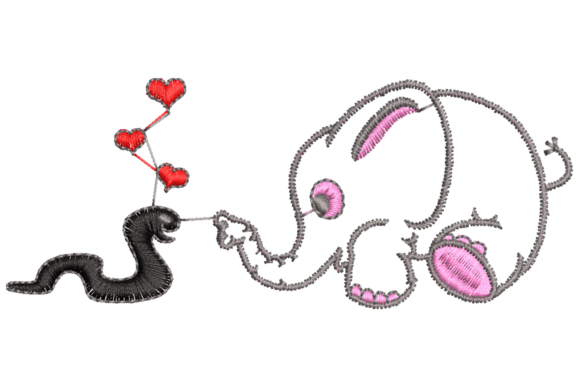
As a designer who has spent years curating machine embroidery design libraries for both personal craft and commercial clients, I approach every new file with a critical eye. The market is flooded with generic patterns, so finding a piece that balances whimsy with technical execution is rare. When I first loaded the Cute Elephant with Worm Embroidery into my digitizing software, I was immediately struck by its charm. It isn't just another animal motif; it tells a tiny story. This digital embroidery design features a cute cartoon elephant accompanied by a tiny friendly worm, creating a fun and playful scene. The soft shapes and cheerful style make it perfect for children's projects, but the real question is how it translates from a screen to a stitched reality.
The First Impression: Mood and Visual Personality
In the world of Embroidery, especially within the Animals category, designs often lean toward either hyper-realism or stiff clip-art styles. This design strikes a delicate middle ground. The elephant is rendered with rounded edges and gentle curves, avoiding sharp angles that can sometimes look harsh on fabric. The addition of the worm adds an unexpected layer of narrative. It transforms the image from a simple icon into a moment of interaction. For a small business owner looking to create a brand identity around warmth and playfulness, this visual personality is gold. It suggests a handmade product that cares about details without being overly fussy.
When I visualize this as a tote bag design or on a canvas backpack, the composition holds up well. The negative space between the elephant and the worm allows the background fabric to breathe, which is crucial for maintaining clarity in a finished product. The mood is undeniably lighthearted, making it an excellent candidate for nursery decor, baby showers, or even as a subtle accent on adult apparel for those who appreciate quirky aesthetics.
Real-World Application: From Hoop to Shelf
Let’s talk about a specific scenario. Imagine you are preparing a custom embroidered sweatshirt for a boutique client who specializes in eco-friendly kids' wear. You need a design that looks professional but feels cozy. Using Cute Elephant with Worm Embroidery on the chest of a heavy cotton sweatshirt works beautifully. The density of the fill stitch in the elephant's body provides enough coverage to hide the dark fabric underneath, while the satin stitch outlining the worm adds a crisp, high-quality finish.
I have also considered using this as an embroidered patch. Because the outlines are distinct, cutting out the shape after stitching would be straightforward. These patches could be sold individually on Etsy or attached to denim jackets, aprons, and pillow covers. For a craft business, having a versatile asset like this means you can diversify your inventory without buying new equipment. You can offer it as a personalized gift option, perhaps adding a child's name nearby if the layout permits, or keeping it standalone as a decorative element on kitchen towels and blankets.
For the Etsy seller or small shop product creator, the appeal lies in the "giftability" factor. A holiday embroidery project featuring this design instantly feels special. It avoids the generic feel of mass-produced items. Whether it is a Christmas stocking ornament or a Valentine's Day card embellishment, the combination of the elephant and the worm creates a unique talking point that encourages buyer engagement.
Navigating Fabric Challenges and Technical Limits
While the design is charming, it requires careful consideration regarding fabric texture and hoop size. If you attempt to stitch this on very thin or stretchy fabric, such as jersey knit for t-shirts, you must use a strong stabilizer. The weight of the thread in the elephant's ears and trunk could cause puckering if the backing isn't sufficient. Similarly, on textured fabrics like fleece or corduroy, the fine details of the worm might get lost in the weave. In those cases, I recommend testing the design on scrap fabric first to ensure the stitch density is appropriate for the material.
Another area to watch is the placement on curved surfaces like caps. The width of the elephant might require a larger cap hoop than standard 4x4 hoops. Before committing to a batch of hats, check whether the design fits comfortably within your available hoop size. If the design is too wide, the edges may distort on the curve of the hat brim. Always review the dimensions in your software before starting a production run.
Dark fabrics present their own challenge. While the design likely includes underlays, you should verify the thread colors against your specific fabric. A light gray elephant on black fabric might not pop enough without a white underlay. Test it in black and white mockups to assess contrast. If the contrast is low, the visual appeal suffers, and the perceived value of the handmade product drops. Customers expect crisp, clear imagery, especially when paying a premium for custom work.
Practical Designer Notes for Success
- Test Stitching: Never skip the test run on a scrap piece of the actual fabric you intend to use. Check for thread breaks and tension issues.
- Stabilizer Choice: Use tear-away stabilizers for woven fabrics and cut-away for knits to prevent distortion during washing.
- Licensing Check: Before selling finished items or digital files, confirm the licensing terms. Ensure you have the right to sell products made with this digital embroidery file commercially.
- Color Matching: Adjust thread colors to match your brand palette. Don't rely solely on the default color scheme provided in the preview.
- Density Review: Inspect small details like the worm's eyes. If they are too dense, they might pull on the fabric; if too sparse, they may look incomplete.
Building Trust Through Quality Design
Ultimately, the success of Cute Elephant with Worm Embroidery depends on how well it integrates into your workflow. As a designer, I value assets that save time while elevating the final look. This design does exactly that. It offers a pre-solved aesthetic problem: how to make an animal design feel fresh and engaging. By using this in your custom apparel or commercial embroidery projects, you signal to your customers that you pay attention to quality and creativity.
Whether you are a hobbyist making gifts for family or a serious entrepreneur building a brand, the choice of design matters. It affects customer trust and brand consistency. A well-executed stitch job with a thoughtful design like this one builds recognition. It turns a simple sweatshirt or tote bag into a conversation starter. Just remember to treat every embroidery project with the same level of care, from selecting the right stabilizer to checking the final result under good lighting.
If you are looking for a design that brings joy and professionalism to your work, this piece deserves a spot in your library. It is versatile, visually appealing, and technically sound, provided you follow the best practices for preparation and execution. Happy stitching!